


GENIX BIO Eternal Beauty
Genix Bio analyze your genes to predict how your skin might age, react to the environment, and respond to certain products. The combined bundle includes the following tests.
SKIN

Skin Aging
Skin aging is a natural process in which the skin changes over time. These changes include decreased elasticity, wrinkle formation, and changes in skin color. Endogenous aging is caused by genetics and changes within the body that occur over time.
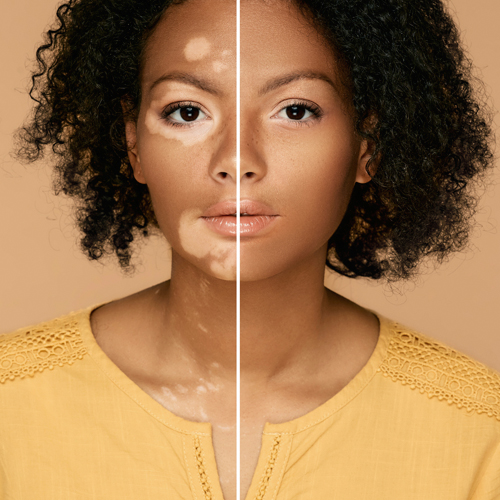
Skin Pigmentation
Skin pigmentation is a condition in which the skin is darker than normal. It is caused by the overproduction of a pigment called melanin. Melanin is produced by melanocytes, the cells responsible for the color of the skin, hair, and eyes.

Skin Inflammation
Skin inflammation, also known as dermatitis, is a general term for irritated or swollen skin. It can range from mild redness and itching to severe rashes, blisters, and pain. It's a sign of your body's immune system kicking into gear to fight off something that's irritating your skin.

Spots/Freckles
Spots and freckles are both small patches of pigment on the skin. Freckles are caused by genetics and sun exposure. Spots can be caused by a variety of factors, including sun exposure, age, genetics, and hormones. If you are concerned about any spots on your skin, it is always best to see a dermatologist to get a diagnosis and discuss treatment options.
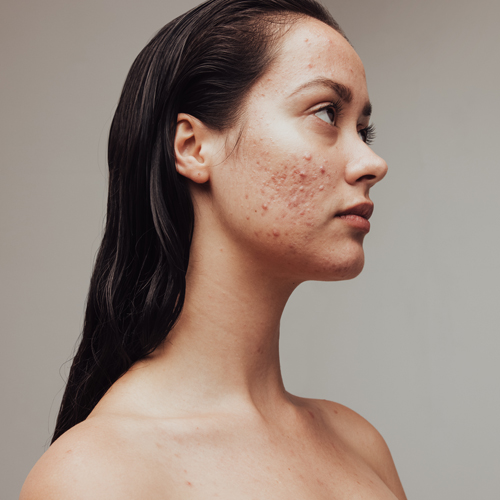
Acne
Acne is a common skin condition that involves the clogging of pores by hair, sebum (oil produced by glands in the skin), and dead skin cells. This can lead to pimples, whiteheads, blackheads, cysts, and nodules.

Dry Skin
Dry skin is a common condition that occurs when the skin loses too much water and oil. This can cause the skin to become rough, flaky, itchy, and even cracked.
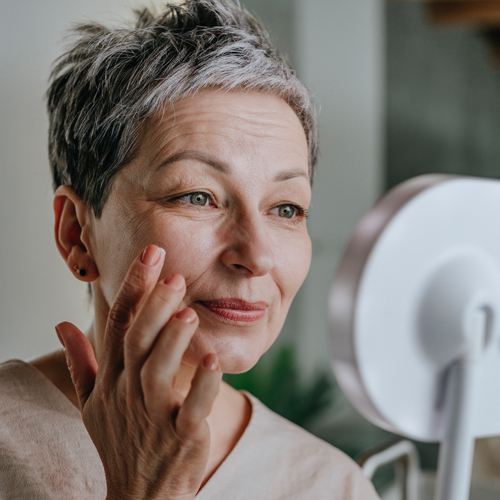
Skin Wrinkles
Skin wrinkles are a natural part of aging. They are caused by a loss of collagen and elastin, which are proteins that give skin its structure and elasticity. As we age, our bodies produce less of these proteins, which causes the skin to become thinner and less able to bounce back from repeated facial expressions or sun damage.

Facial Flushing
Facial flushing, sometimes called blushing, happens when the blood vessels near the surface of your skin widen. This causes more blood to flow to the area, making your skin feel warm and appear red.
HAIR

Hair Loss
Curious about the possibility of hair loss? Instead of investing in unproven remedies, take a DNA test to unveil your predisposition to hair loss.

Hair Thickness
Hair thickness is determined by many factors, including genetics and environmental factors. Genes are the most important factor in determining hair thickness. Environmental factors such as hormones, diet, and health conditions can also play a role.

Gray Hair
Gray hair, also referred to as silver hair or white hair, happens when hair follicles lose pigment-producing cells. The pigment responsible for hair color is called melanin, and as these cells die off, new hair growth lacks color, resulting in the characteristic gray, silver, or white strands. Your genes play a significant role in determining when you start to gray. If your parents or grandparents began graying early, you're more likely to follow a similar timeline.
OBESITY

Body Mass Index (BMI)
Body mass index (BMI) is a tool that estimates the amount of body fat a person has based on their height and weight. It's a simple calculation that's widely used to assess obesity. Having a high BMI can increase your risk of health problems, including heart disease, stroke, and type 2 diabetes. If you have a high BMI, it's important to work with your doctor to create a weight loss plan.
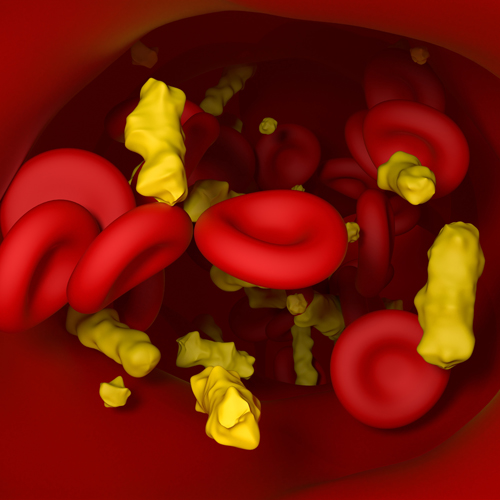
Triglycerides
Triglycerides are a type of fat in which a glycerol molecule is esterified with three fatty acids. They are the most common type of fat found in animals and plants. High levels of triglycerides in the blood can increase the risk of heart disease and stroke.

Cholesterol
The body uses cholesterol to make cell membranes and to produce certain hormones, including vitamin D. But too much cholesterol in the blood can cause atherosclerosis. This is a condition that causes narrowing of the arteries and can lead to heart disease, stroke, and other health problems.

Abdominal Obesity
Abdominal obesity, also known as central obesity or truncal obesity, refers to an excessive accumulation of fat around the abdomen and belly area. This is different from fat storage around the hips and thighs, which is more common in women. People with abdominal obesity tend to have an "apple-shaped" body type, while those with fat around the hips and thighs have a "pear-shaped" body type.

Appetite
Appetite refers to your desire to eat. It's a complex sensation influenced by various factors and distinct from hunger, which is your body's physical need for fuel. Pay attention to hunger cues like stomach growling and decreased energy levels. Eat when you're hungry and stop when you're comfortably full.
Place your order now to delve deeper into understanding your DNA.